


Welcome message!
Department Slogan:
“To develop reflective professionals, educational leaders committed to serving the diverse learning communities, both in Puerto Rico and abroad”


Visión y Misión del Programa
Vision
T he Elementary Education Program at the University of Puerto Rico in Ponce is committed to the professional development of the teacher candidate and views them as the focal point of its educational efforts. It acknowledges the teacher candidate as a continuously developing learner and builder of knowledge who fosters effective learning among K-5 students. The program regards the teacher candidate as a social being with ethical, aesthetic, civic, and moral values; both a product and an active participant in all societal evolutionary processes. It aims to strengthen, in the teacher candidate, through a humanistic-cognitive approach, the cognitive, affective, and intellectual dimensions, as well as the development of pedagogical knowledge and expertise across various disciplines, to promote learning for all students in diverse educational settings.
Mission
The Bachelor of Arts in Elementary Education program aims to train future education professionals to become leaders who contribute to social transformation in educational environments and to the strengthening of a democratic society. They will be capable of learning to learn, learning to teach, learning to undertake initiatives, and educating in a dynamic and effective manner, while taking into account the diversity of their students.
Metas y Competencias del Programa
Goals
Tepartment of Education has the following goals:
-
Help teacher candidates develop both cognitive and emotional skills, along with knowing the content and being confident in the subjects and how they connect.
-
Help teacher candidates get a good handle on teaching content and all kinds of strategies, methods, and ways to assess learning.
-
Encourage teacher candidates to think critically and analytically, using research and creativity.
-
Guide teacher candidates to show in their actions willingness, ethical, moral, and civic values, teamwork, dialogue, and collaboration.
-
Prepare teacher candidates to tackle new educational challenges that bring technology and info skills into teaching and learning.
-
Support teacher candidates in respecting, understanding, and accepting diversity, as well as the different physical, emotional, and cognitive abilities found in learning environments.
Skills
Tandidates in the Elementary Education Program will show they have the following skills:
-
Understanding students and their development, as well as teaching and learning processes.
-
Knowing the content you teach and new methods that are coming up.
-
Using different assessment strategies correctly to learn and check how students are doing.
-
Being aware of various learning styles and ways to support students' cognitive, physical, social, and emotional differences.
-
Interacting effectively with students, families, and the school community in a collaborative and communicative way.
-
Helping students develop reflective, critical, creative, moral, ethical, aesthetic, historical, and civic thinking.
-
Planning lessons well.
-
Being committed to personal and professional growth, being open to self-learning, studying independently, adapting to change, and handling challenges effectively.
-
Knowing how to effectively use tech tools for learning and finding information, plus research skills.
-
Good grip on language and communication skills.
Program Curriculum
Bachelor's in Arts for Elementary Education
T he Arts in Elementary Education Program at the University of Puerto Rico in Ponce and its School of Education is the academic unit that puts together all the theoretical, methodological, and practical aspects of the undergraduate K-5 specialty in an integrated way. This unit focuses on preparing teachers who will one day be part of schools that support public and private education here and abroad.
They help make sure future teachers meet the highest quality standards and develop all the skills they need to effectively teach knowledge, abilities, and attitudes to their students, as recognized by top international accrediting agencies.
Articulated Transfers
T he Education Department at the University of Puerto Rico in Ponce has an Articulated Transfer Program with the Cayey and Río Piedras campuses. The goal of the agreement is to make it easier for students to move between the participating UPR units. With this agreement, students can take the necessary courses at their original campus, which lets them transfer to the new campus later without losing credits or needing extra time to meet the program requirements.
Courses Descriptions
Redirecting...
Program Assessment
The Education Department came up with an assessment system to make sure the program meets the conceptual framework and the state and professional standards of the National Council for Accreditation of Teacher Education (NCATE), now called the Council for the Accreditation of Educator Preparation (CAEP), the Interstate New Teacher Assessment and Support Consortium (INTASC), and the Association of Childhood Education International (ACEI).
To show that teacher candidates meet professional, state, and institutional standards, data from the 10 'key assessments' is collected, analyzed, and shared at 4 transition points each school year.
Transition Points
The assessment system is organized into four (4) transition points:
-
Program Admission
-
Before Teaching Practice
-
Teaching Practice
-
Program Completed
Key Assessments
-
Course notes on content and methods
-
Field experiences
-
Effective teaching planning
-
Formative Assessment Tool for Student Teacher Skills
-
Sample of Student Teacher Work (MTEM by its acronym in Spanish)
-
Special academic impact project
-
Teacher Certification Tests (PCMAS by its acronym in Spanish)
-
Teaching scenario
-
Survey of students who finished the program
-
Survey of cooperating teachers and principals
Information about Forms & Docs Section
In this section, you will find the forms designed by the UPR Ponce Department of Education.

T he Society of Educators is a student group that was started in the 2011-2012 school year by students from the Education Department at the University of Puerto Rico in Ponce. They were driven by their desire to share knowledge about education in our country.
Vision
Hope future educators can properly understand the complex problems our society is dealing with today.
Mission
H elp each member gain experiences and attitudes that shape them, either together or individually, within the community. The goal is to foster independent thinking that also helps build connections between people.
Objectives
-
Give the experience of Our Alma Mater to members.
-
Promote knowledge about education among members.
-
Encourage communication and respect between students and teachers.
-
Inspire future educators to grow in their professional paths outside the classroom.
-
Provide activities focused on education.
-
Share academic and professional insights in the field of education.
-
Build leaders, friends, and peers with enthusiasm, creativity, and common interests.
-
The goal is for each member to fulfill their commitment to the community by developing leadership and respect for education in Puerto Rico.
Slogan/Motto
"The lion educator roaring for education"

Program Activities 2022-2023
Use of the Thinking Lab: Charm Crawl
The students from Dr. Neyla I. Rivera Caño's EDPE 3325 class put together an activity for the kids at the Preschool Development Center where they went on an imaginary trip to various towns in Puerto Rico. They got creative using the theme of Chinchorreo, and some of the stops included Piedra Escrita in Jayuya, Cueva Ventana in Arecibo, and the Bioluminescent Lagoon in Lajas, among others. They shared stories, dances, and crafts.


Leaders for Education Symposium
Alumni Panel, Educational Product Exhibitors, and Job Interviews. The goal of the event was to keep building connections with our professional alumni to promote the Elementary Education Program, which in turn can inspire our teacher candidates and future prospects.


Using the Thinking Lab: Building an Electric Circuit
The students in the EDPE 4033 course – Teaching and Learning with a STEM Approach – built a series circuit and a parallel circuit, not with electrical wires, but using natural materials like wheat flour, salt, water, and food coloring. The goal was to mix in science and math concepts.


Using the Thinking Lab: Designing and building a vehicle
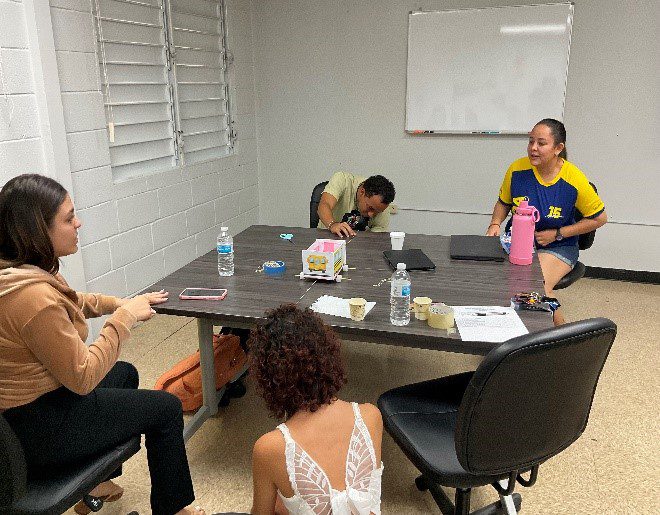
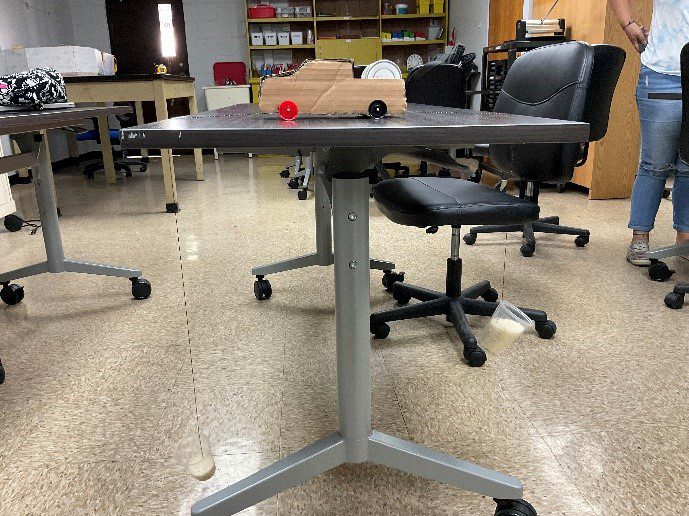
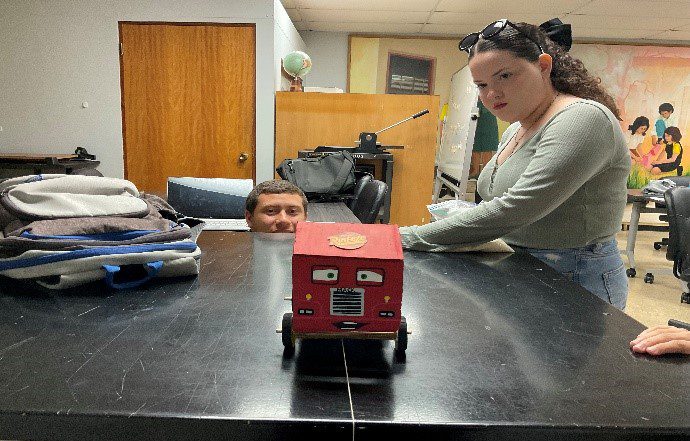
The students in the EDPE 4033 class – Teaching and Learning with the STEM Approach, after finishing an engineering notebook, built a vehicle that carried a load at least 4 inches using weight and counterweight. They showed how, when the load was taken off, the vehicle rolled back to its starting point thanks to the counterweight.
Building a catapult
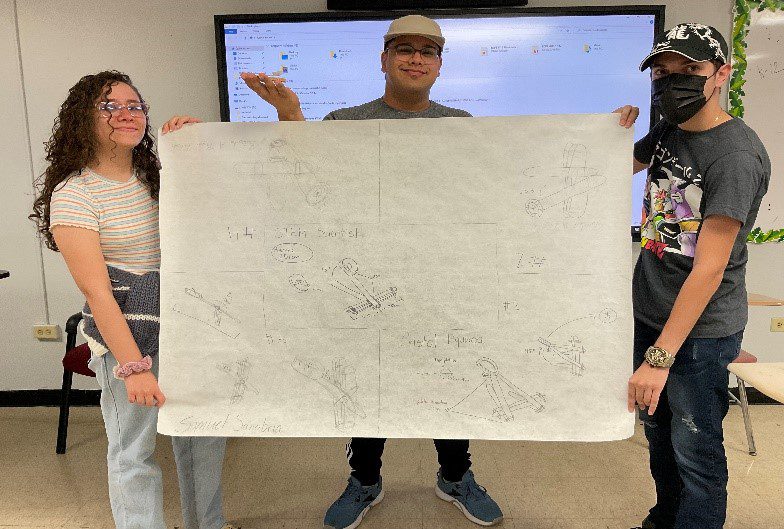
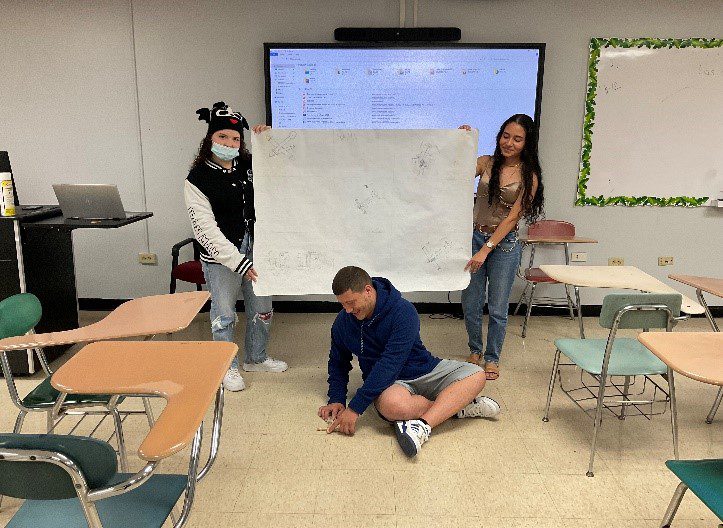
In this activity, the students from the EDPE 4033 course, using specific materials, built a catapult to launch a coin as far as possible. They had to come up with four designs with their specific shapes and construction measurements. After checking out each design, they had to pick one and explain why they chose it to make the prototype.
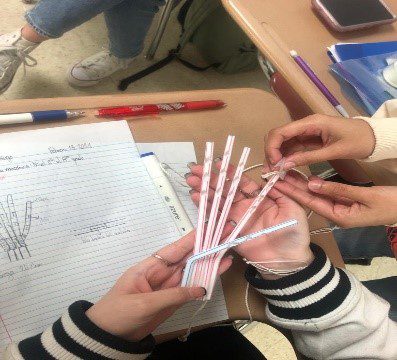
Designing a robot hand
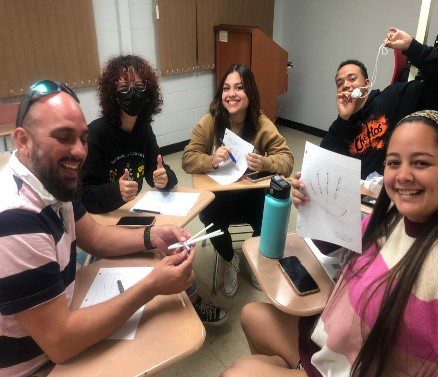
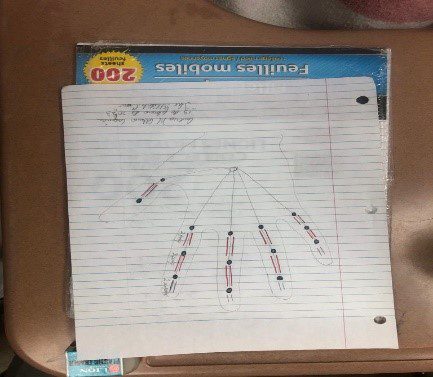
The students in the EDPE 4033 course worked together and cooperatively by using the engineering design process, brainstorming, and a comparison table to figure out which design was best for building the mechanical hand; they also looked for STEM elements that fit in and explained their choices.
Open House
Activity to help high school students learn about the Department of Education's programs and services.
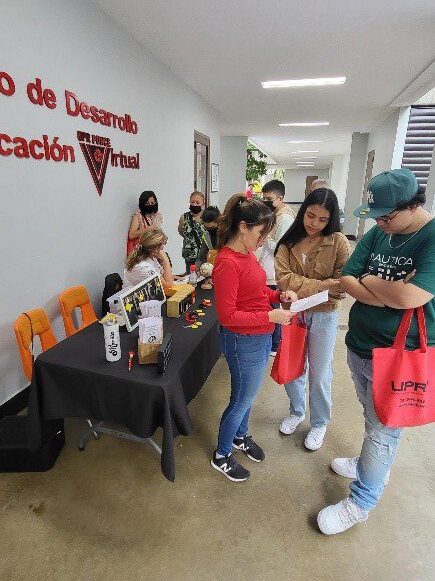
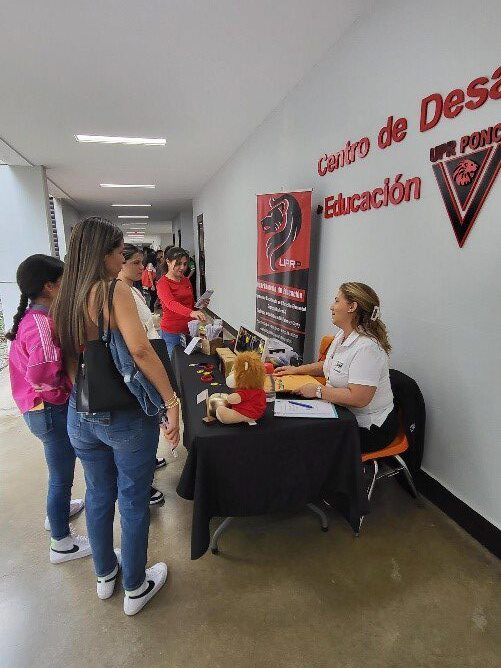
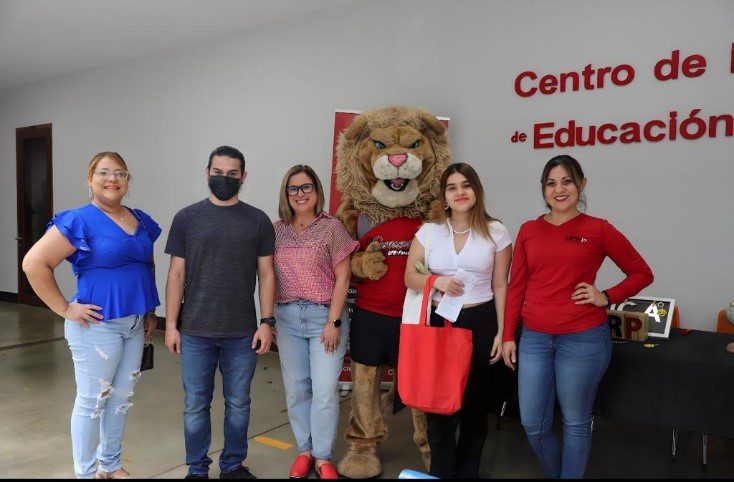
Learning about our traditions
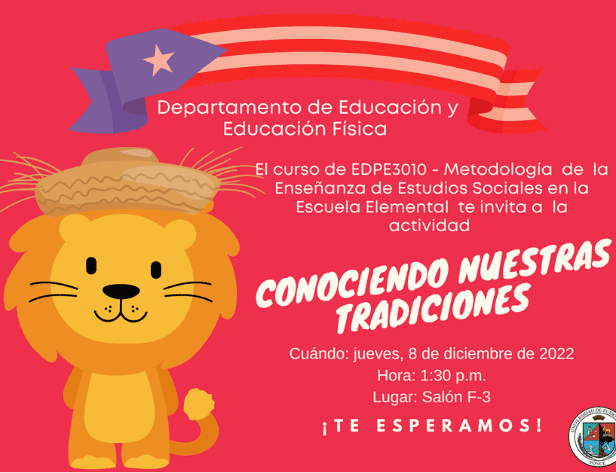
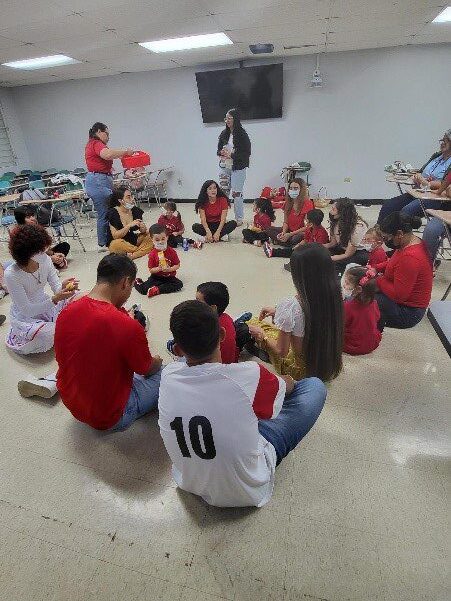
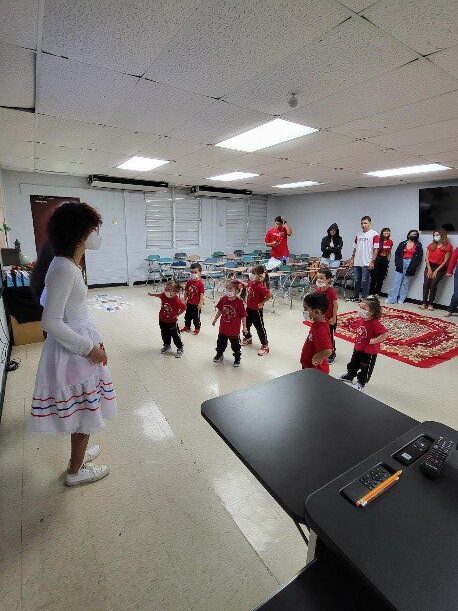
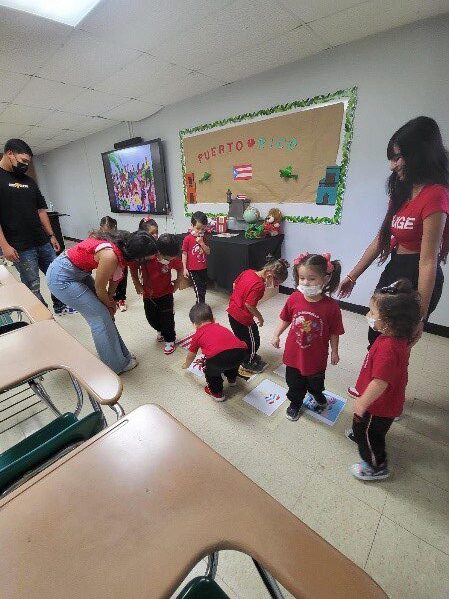
The students from Dr. Marilia Villafañe's EDPE 3006 class put together, as part of a collaborative clinical experience, the 'Getting to Know Our Traditions' activity for the kids at the Preschool Development Center. They set up activity stations with reading practice, games, and arts, all tied to the social studies curriculum and language learning for PK-K.
Language and Puerto Rican Heritage Week Celebration
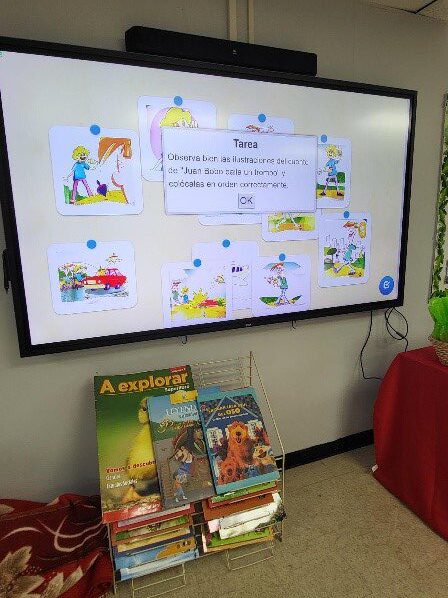
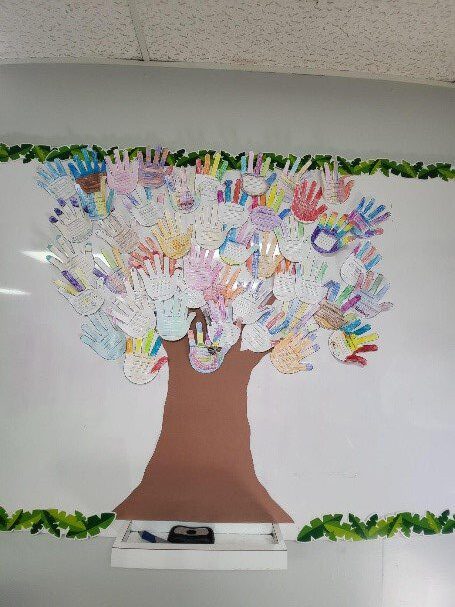
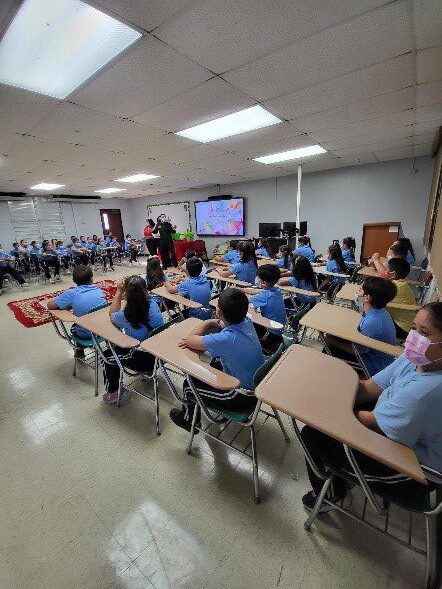
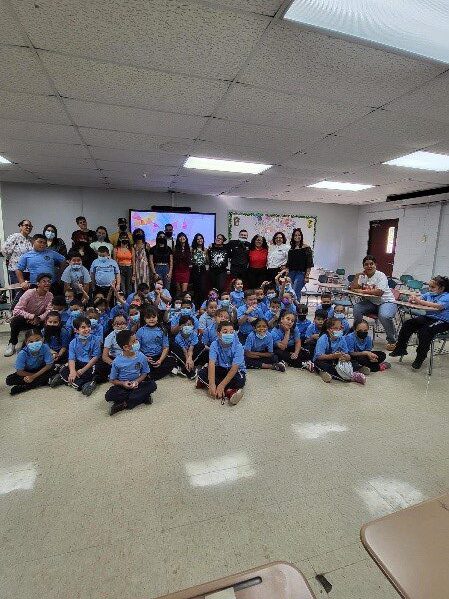
The students from the EDPE 4016 and EDPE 3325 classes, taught by Marilia Villafañe and Neyla I. Rivera, welcomed the second graders from Juan Cuevas Aboy School: 48 students, 2 teachers, and 2 assistants. They shared Puerto Rican stories and did interactive educational activities. Snacks and transportation from the school were provided.
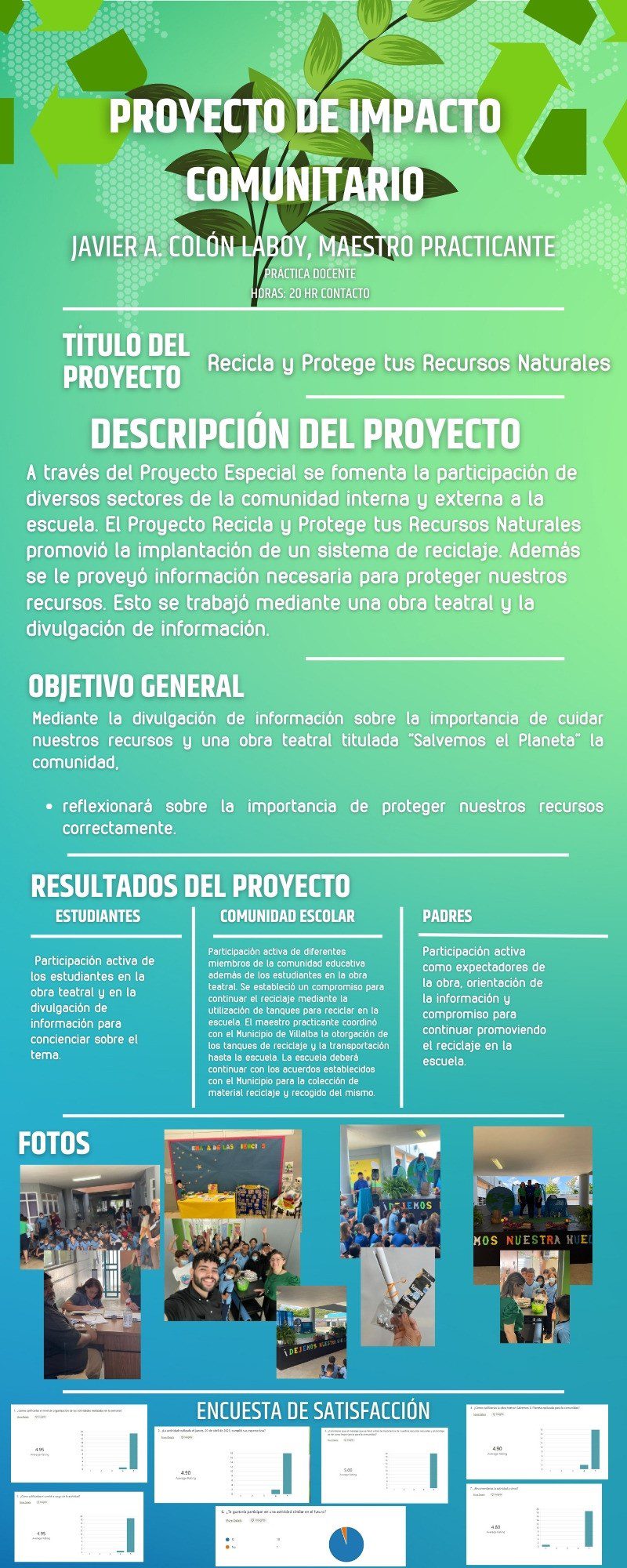
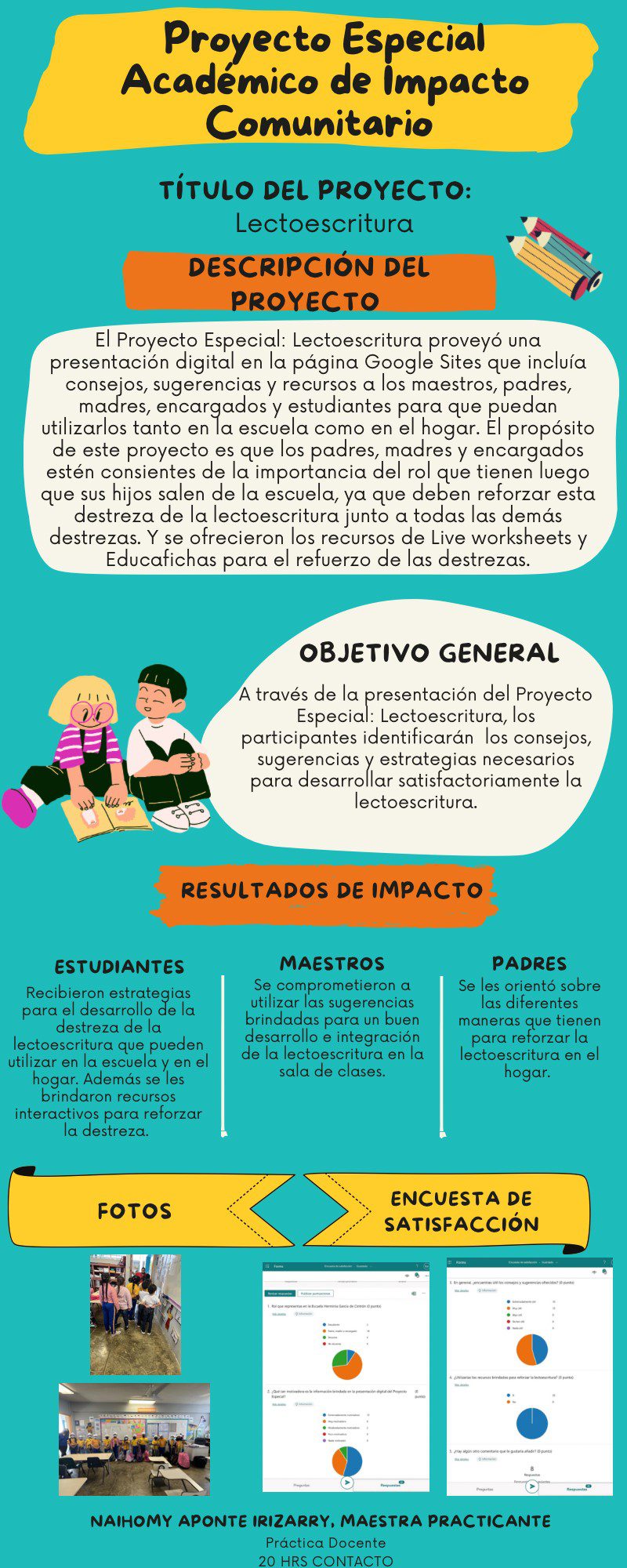
Special Academic Project for Community Impact
This project is part of the requirements for the Teaching Practice and is designed to get teacher candidates involved in activities both inside and outside the classroom, as well as in research and creative experiences. Candidates are expected to encourage participation from different parts of both the school community and the wider community, bring together knowledge from various perspectives to strengthen their learning, and consider a range of formal and informal learning sources to create a positive environment that supports the best learning for the students they teach.
PROYECTO: RECICLA Y PROTEGE TUS RECURSOS NATURALES
ESCUELA: DANIEL SERRANO RIVERA, VILLALBA
PROYECTO: LECTOESCRITURA
ESCUELA: HERMINIA GARCÍA DE CINTRÓN
Professional License
Bachelor's in Arts for Elementary Education
The requirements to get a professional license in fields like education can vary by state or territory. This program meets Puerto Rico's professional licensing requirements. If a student lives in or plans to work outside Puerto Rico, they should check the rules in those other places.
Before starting any academic program that leads to a license or certification, UPR-Ponce really suggests you reach out to the licensing board in the state or territory where you want it to make sure the program you're thinking about meets their requirements.
For more information, visit the 'Students Right to Know' section at: https://www.uprp.edu/articulos/rectoria/opei/srtk/#requirements-for-professional-licensure
Articulated Transfers
T he Education Department at the University of Puerto Rico in Ponce has an Articulated Transfer Program with the Cayey and Río Piedras campuses. The goal of the agreement is to make it easier for students to move between the participating UPR units. With this agreement, students can take the necessary courses at their original campus, which lets them transfer to the new campus later without losing credits or needing extra time to meet the program requirements.
Contact Us
University of Puerto Rico at Ponce
Dean of Academic Affairs
Department of Education and Physical Education
PO Box 7186
Ponce, PR 00732
Building (F)
Telephone Panel: 787-844-8181
Phone System Extensions: 2425, 2426
E-mail: educacion.ponce@upr.edu
https://educacionponce.wixsite.com/uprp/caep-uprp
Schedule:
Monday to Friday:
8:00 am – 12:00 m
1:00 – 4:30 pm
Administrative Personnel


Faculty Section
The Education Program faculty at UPR-Ponce matches the needs and demands of the social environment and the ever-evolving teaching profession. Their efforts are all aimed at achieving the vision, mission, goals, and objectives at both the Program and Institutional levels. Faculty selection and organization are based on their expertise in the subject they teach, supported by their highest degrees, whether doctoral or master's, proven by their involvement in noteworthy educational projects or reforms in Puerto Rico and abroad, certifications, and evidence of their specialties that enrich their teaching. They’re also skilled at encouraging and supporting the development and implementation of ideas, research, creative activities, and innovative trends that help future teachers grow and succeed.
The Program's faculty is set up as an active learning community. Their knowledge and work tie them to administrative roles in other academic programs and service within the university community. They are professionals looking to explore new learning opportunities both nationally and internationally.
The Program's growth relies on leadership and faculty who are dedicated to their own professional development and to helping the best teacher candidates in Puerto Rico thrive, as shown by their top marks in the Teacher Certification Test (PCMAS). They're super committed and don’t stick to any schedule or boundary. They run student organizations, projects, and competitive proposals, and they actively take part in various committees to make their work as teachers in the Institution's Education Department stand out, training the next generation of professionals in our country.


Service Contract Faculty Section


